
A practical comparison of teak, aluminium, and synthetic rattan explaining their durability, weather resistance, and suitability as export outdoor furniture materials for global markets.
In the export furniture industry, material selection is one of the most critical factors determining durability, product quality, and long-term performance. Outdoor furniture must withstand constant exposure to UV radiation, rain, humidity, and significant temperature changes. Because of these environmental challenges, manufacturers and global importers prioritize materials proven to perform reliably in outdoor conditions.
Three of the most widely used materials in export outdoor furniture production are teak wood, aluminium, and synthetic rattan. Each material offers unique characteristics, advantages, and applications depending on market demand, design requirements, and environmental conditions.

Teak Wood: The Premium Standard for Outdoor Furniture
Teak is widely recognized as one of the most durable and reliable materials for outdoor furniture. Its dense grain structure and natural oil content provide natural protection against moisture, insects, and weather exposure.
Key advantages of teak include:
- Natural resistance to rain and moisture
- High structural strength and stability
- Premium natural appearance and grain texture
- Exceptional long-term durability
For hospitality environments such as hotels, resorts, and luxury residential projects, teak furniture is often preferred due to its ability to maintain both structural integrity and aesthetic value over time. With proper kiln drying and outdoor finishing processes, teak furniture performs well across different international climates.
Aluminium: Lightweight and Corrosion Resistant
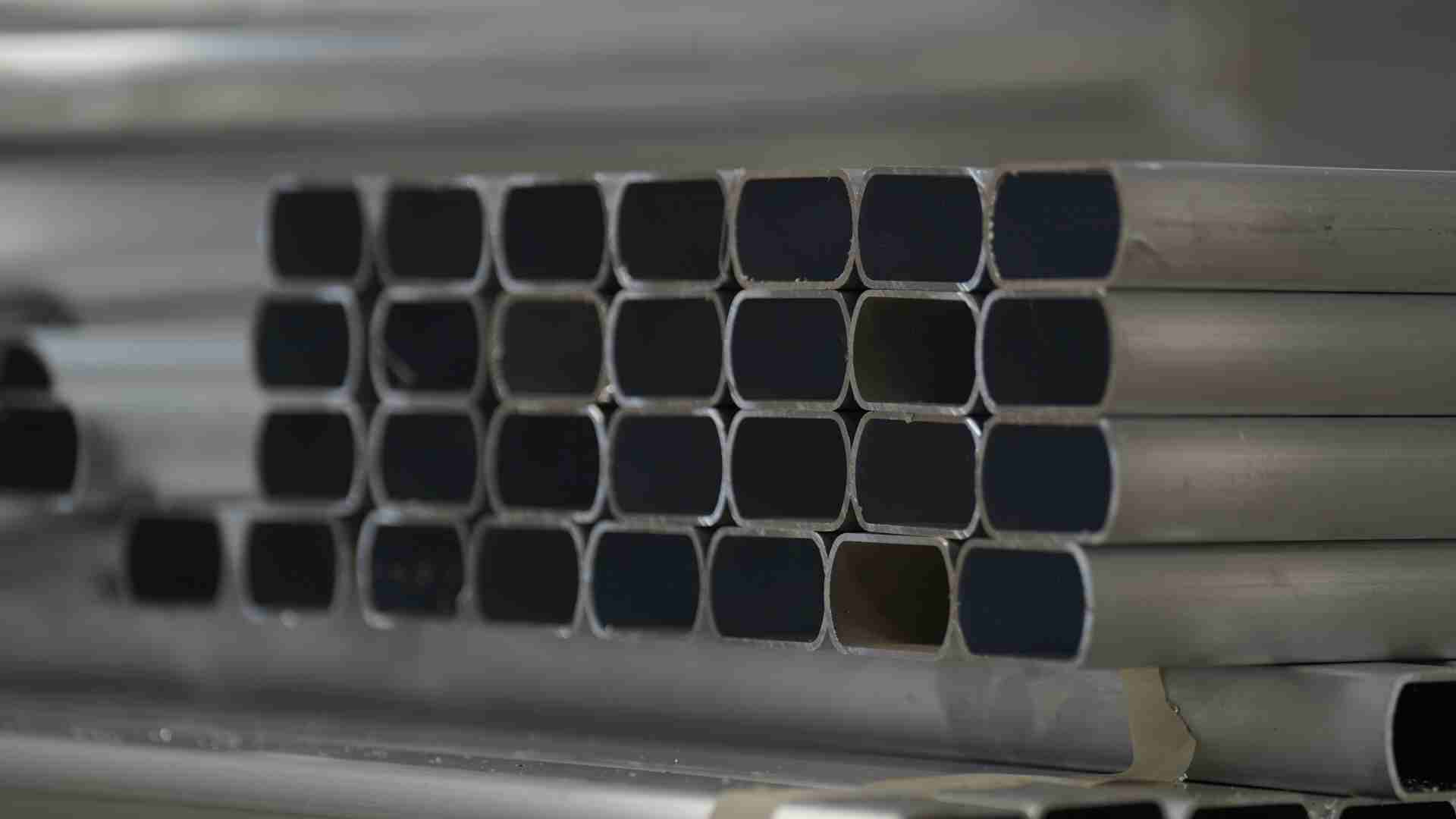
Aluminium is a popular choice for modern outdoor furniture due to its lightweight properties and natural resistance to rust. In export-grade furniture production, aluminium frames are typically finished with powder coating to improve corrosion resistance and maintain visual consistency.
Advantages of aluminium include:
- Lightweight and easy to move
- Strong resistance to corrosion and humidity
- Low maintenance requirements
- Suitable for modern and minimalist designs
Aluminium is commonly used for garden chairs, outdoor dining tables, poolside furniture, and rooftop lounge areas in hospitality settings.
Synthetic Rattan: Flexible and Weather Resistant
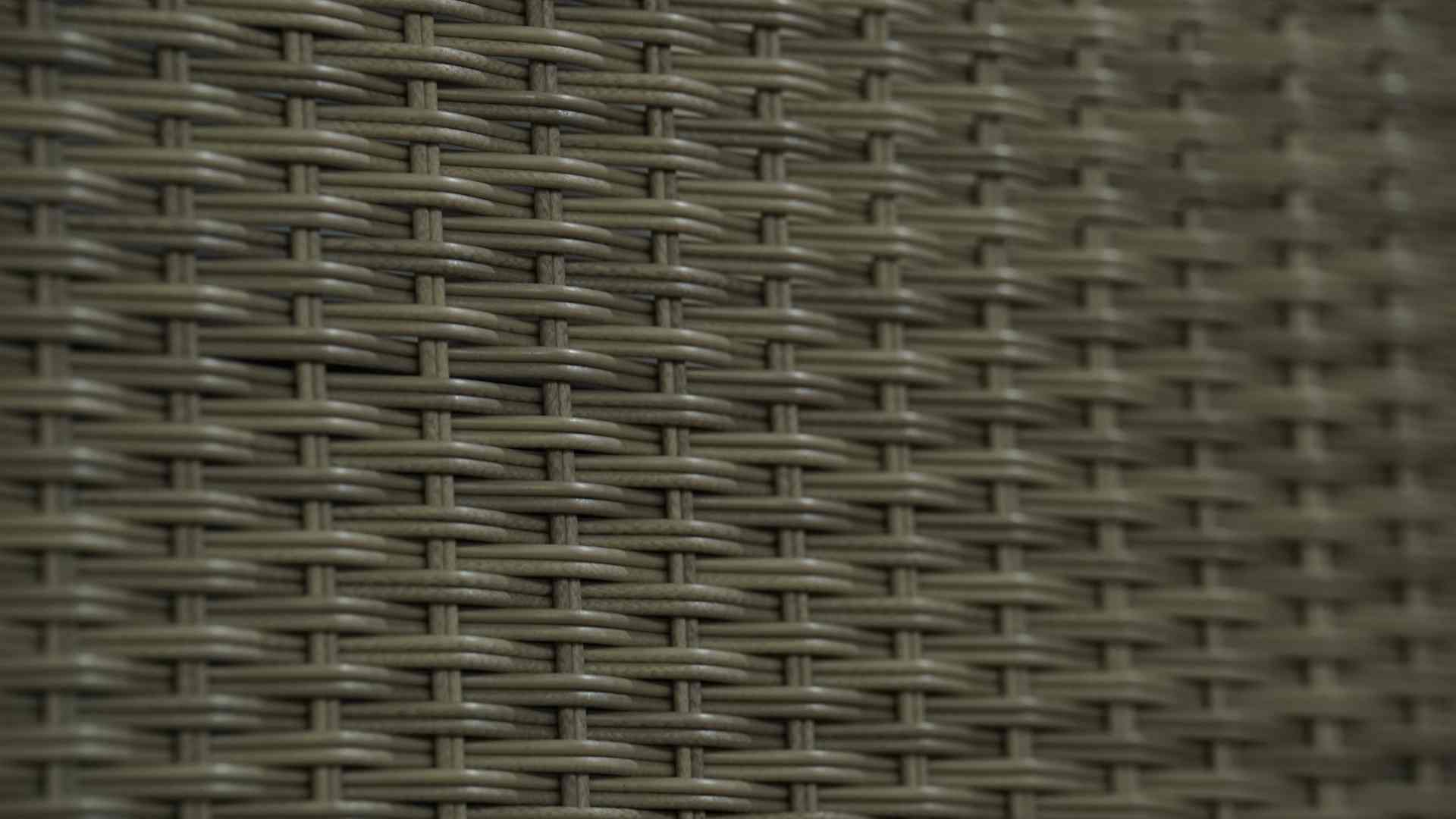
Synthetic rattan, often made from polyethylene (PE), is specifically engineered for outdoor environments. Unlike natural rattan, synthetic rattan is designed to resist UV exposure and harsh weather conditions.
Key advantages of synthetic rattan include:
- UV resistance and weather durability
- Flexible material suitable for various design forms
- Natural woven appearance similar to traditional rattan
- Easy maintenance and cleaning
In export markets, synthetic rattan is widely used for outdoor sofas, patio dining sets, and lounge furniture due to its balance between comfort, aesthetics, and durability.
Combining Materials in Modern Outdoor Furniture
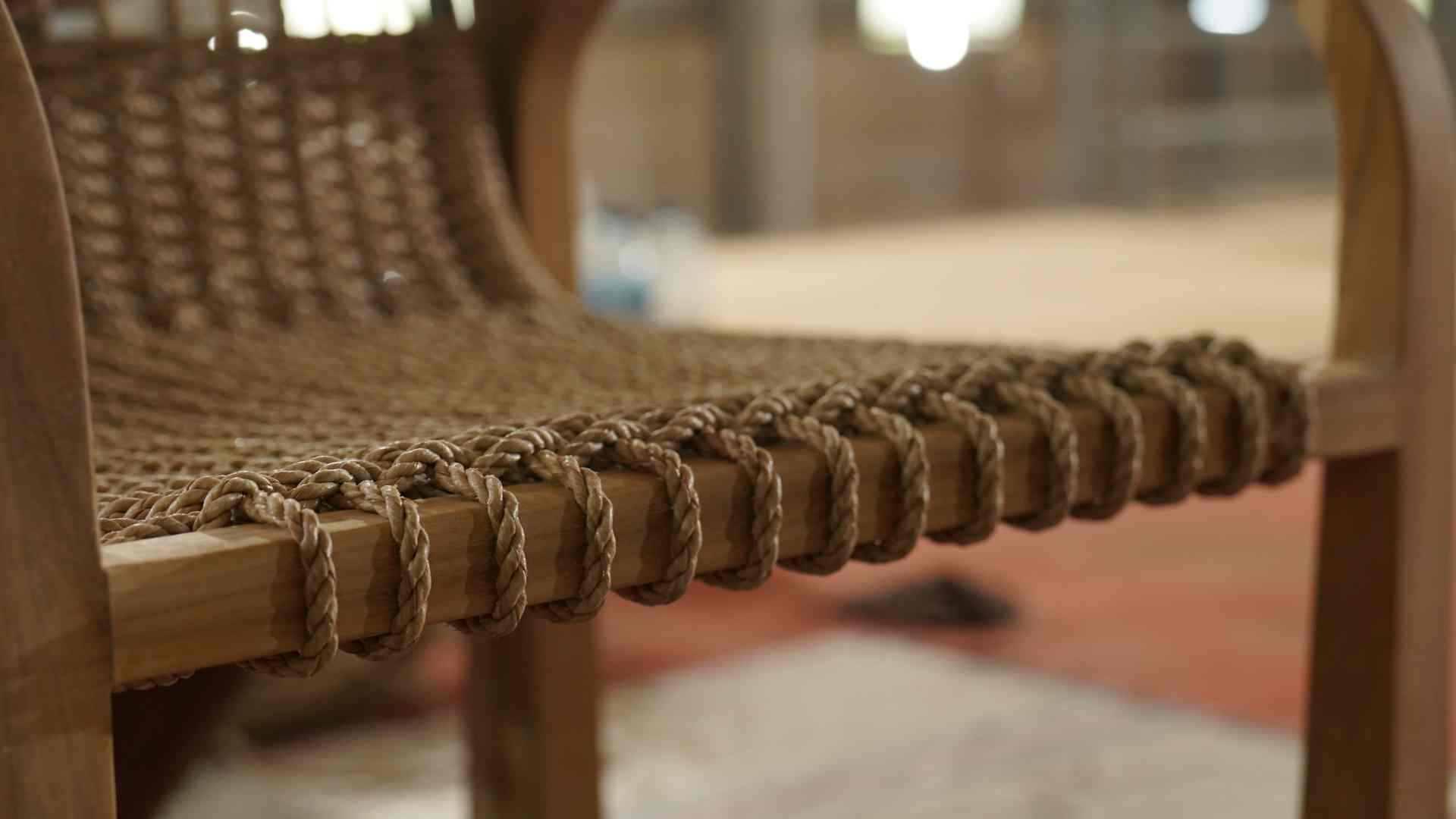
Many export furniture manufacturers combine multiple materials to achieve optimal performance and design versatility. Hybrid material construction allows designers to create furniture that is both functional and visually distinctive.
Examples include:
- Aluminium frames combined with synthetic rattan weaving
- Teak table tops paired with aluminium structures
- Teak chairs with rattan accents
These combinations enhance durability while providing design flexibility for various outdoor environments.
Key Considerations for Global Importers
For international buyers, selecting the right material involves more than aesthetic preference. Several technical factors influence material selection, including:
- Climate conditions in the destination market
- Manufacturing standards and production processes
- Maintenance requirements
- Compatibility with architectural and landscape design concepts
Teak is typically chosen for premium outdoor furniture markets, while aluminium and synthetic rattan are widely used in modern hospitality projects that prioritize both durability and cost efficiency.
Teak, aluminium, and synthetic rattan represent the three primary materials used in export outdoor furniture manufacturing. Teak offers natural durability and a premium appearance, aluminium provides lightweight strength and corrosion resistance, while synthetic rattan delivers design flexibility and weather resistance.
Understanding the characteristics of these materials helps manufacturers, importers, and hospitality developers select the most suitable outdoor furniture solutions for international markets.