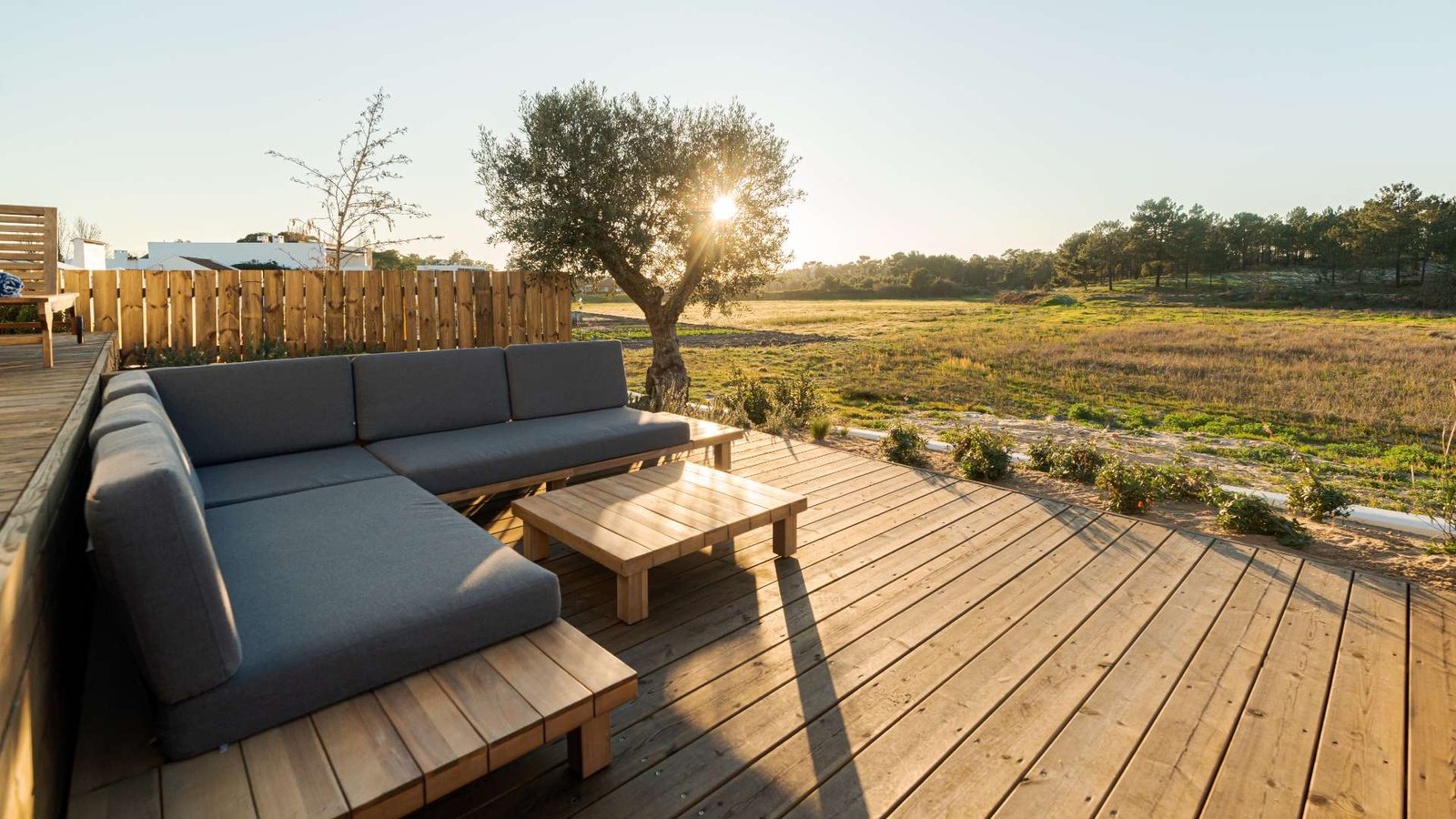
Explore sustainable outdoor furniture from Indonesia, blending eco-friendly teak and synthetic rattan for durable, stylish designs. Ideal for exporters seeking green solutions.
In an era where environmental consciousness shapes consumer preferences, sustainable outdoor furniture has emerged as a cornerstone of modern design and international trade. As a premier outdoor furniture exporter from Indonesia, Karya Exindo Prima, in collaboration with Top Garden Furniture, is at the forefront of delivering eco-friendly solutions that combine durability, aesthetics, and ethical sourcing. This article explores the principles of sustainable outdoor furniture, the role of materials like FSC-certified teak and recyclable synthetic rattan, and how Indonesian craftsmanship meets global demand for green design. For B2B buyers, designers, and hospitality professionals, understanding these trends ensures access to products that align with eco-conscious markets while maintaining export-quality standards.
The Rise of Sustainability in Outdoor Furniture Design
Sustainability in outdoor furniture transcends mere trends—it’s a response to growing global awareness of deforestation, carbon footprints, and resource depletion. Buyers in Europe, North America, and Australia increasingly prioritize products certified by bodies like the Forest Stewardship Council (FSC) or those utilizing recycled materials. For exporters, this shift demands a supply chain that balances environmental responsibility with the durability required for outdoor settings.
Indonesia, with its rich natural resources and artisanal heritage, is uniquely positioned to lead this movement. By leveraging responsibly sourced teak and innovative synthetics, manufacturers like Karya Exindo Prima create furniture that withstands diverse climates while reducing ecological impact. This commitment not only enhances brand appeal but also ensures compliance with stringent import regulations in key markets.
Teak: The Gold Standard of Sustainable Hardwoods
Teak wood, indigenous to Indonesia’s managed plantations, remains a flagship material for sustainable outdoor furniture. Its natural durability—owing to high oil content and silica—makes it resistant to moisture, insects, and UV degradation, ensuring a lifespan of over 50 years with minimal maintenance.
Sustainable Sourcing of Teak
The key to teak’s eco-credentials lies in ethical sourcing. Karya Exindo Prima partners with Perhutani and FSC-certified plantations, ensuring trees are harvested from regulated forests that prioritize reforestation and biodiversity. This traceability reassures importers that each piece, from dining tables to loungers, supports environmental stewardship. Additionally, teak’s longevity reduces the need for frequent replacements, lowering the carbon footprint over time.
From a craftsmanship perspective, Indonesian artisans in regions like Jepara employ traditional techniques, such as hand-carved details and dovetail joinery, to maximize material efficiency. These methods minimize waste while producing heirloom-quality pieces that command premium pricing in luxury markets. Explore our teak collections to see how sustainability meets sophisticated design.
Maintenance and Lifecycle Benefits
Teak requires no chemical sealants, as its natural oils provide inherent weather resistance. Over time, it develops a silver-gray patina, which many clients value for its organic aesthetic. For exporters, this low-maintenance profile translates to fewer customer complaints and higher satisfaction, particularly in humid or coastal regions. By choosing teak, buyers invest in furniture that endures while supporting sustainable forestry.
Synthetic Rattan: A Modern, Eco-Conscious Alternative
Synthetic rattan, crafted from high-density polyethylene (HDPE) or recycled plastics, offers a compelling alternative for eco-friendly outdoor furniture. Designed to mimic the aesthetic of natural rattan, it addresses the latter’s susceptibility to moisture and UV damage, achieving a lifespan of 10-20 years with virtually no upkeep.
Environmental Advantages of Synthetic Rattan
The sustainability of synthetic rattan lies in its recyclability and reduced reliance on natural resources. Many fibers are made from post-consumer plastics, diverting waste from landfills and oceans. For exporters, this aligns with circular economy principles, appealing to markets like the EU, where regulations favor low-impact materials. Additionally, synthetic rattan’s lightweight aluminum frames reduce shipping emissions, a critical factor for global logistics.
Indonesian manufacturers excel in weaving synthetic rattan into intricate patterns, combining machine precision with artisanal finesse. This scalability allows for high-volume production without compromising quality, ideal for commercial projects like resorts or cafes. Browse Top Garden Furniture’s synthetic rattan range for versatile, eco-conscious designs.
Practicality for Global Markets
Synthetic rattan’s weatherproof nature—resisting rain, sun, and mildew—makes it a go-to for exporters targeting variable climates. Its ease of cleaning (a simple hose-down suffices) minimizes maintenance costs for end-users, enhancing its appeal for hospitality and rental markets. By offering customizable colors and textures, synthetic rattan also caters to diverse design preferences, from minimalist to tropical.
Comparing Teak and Synthetic Rattan for Sustainable Exports
To guide procurement decisions, the following table compares teak and synthetic rattan across sustainability and performance metrics:
| Aspect | Teak Wood | Synthetic Rattan |
|---|---|---|
| Sustainability | FSC-certified; renewable forestry | Recyclable; reduces natural resource use |
| Lifespan | 50+ years | 10-20 years |
| Environmental Impact | Low (with ethical sourcing) | Low (recycled materials) |
| Maintenance | Minimal; optional oiling | None; hose-off cleaning |
| Aesthetic Appeal | Natural, timeless grain | Modern, customizable weaves |
| Export Suitability | Premium residential, hospitality | Commercial, budget-conscious markets |
Teak excels in longevity and luxury, while synthetic rattan offers affordability and versatility. Both materials, when sourced responsibly, align with the growing demand for eco-friendly outdoor furniture.
Indonesian Craftsmanship: A Pillar of Sustainable Design
Indonesia’s furniture industry is renowned for its artisanal expertise, particularly in Jepara, where generations of craftsmen create pieces that blend tradition with innovation. At Karya Exindo Prima, sustainability extends beyond materials to empower local communities. By providing fair wages and training, we preserve cultural heritage while meeting international quality standards. This human-centric approach enhances the value of our export-ready products, from teak benches to rattan loungers.
Market Trends Driving Eco-Friendly Furniture Exports
Global trends underscore the demand for sustainable outdoor furniture. Modular designs, such as stackable chairs or expandable tables, reduce shipping volumes, while hybrid pieces combining teak frames with rattan weaves offer aesthetic flexibility. Additionally, certifications like FSC or ISO 14001 signal compliance with environmental standards, a key differentiator for importers. Indonesian exporters are also adopting water-based finishes and energy-efficient production to further reduce their footprint.
Conclusion: Building a Sustainable Future with Indonesian Exports
Sustainable outdoor furniture is not just a product—it’s a commitment to environmental responsibility and enduring quality. By leveraging FSC-certified teak and recyclable synthetic rattan, Karya Exindo Prima delivers solutions that meet the needs of eco-conscious buyers worldwide. Whether you’re sourcing for luxury villas, urban patios, or resort chains, our partnership with Top Garden Furniture ensures access to designs that balance style, durability, and sustainability.
Ready to elevate your inventory with eco-friendly outdoor furniture? As a trusted outdoor furniture exporter Indonesia, we invite you to explore our offerings and request a tailored quotation. Contact us at our contact page to discuss your export needs and discover how sustainable design can transform your market presence.