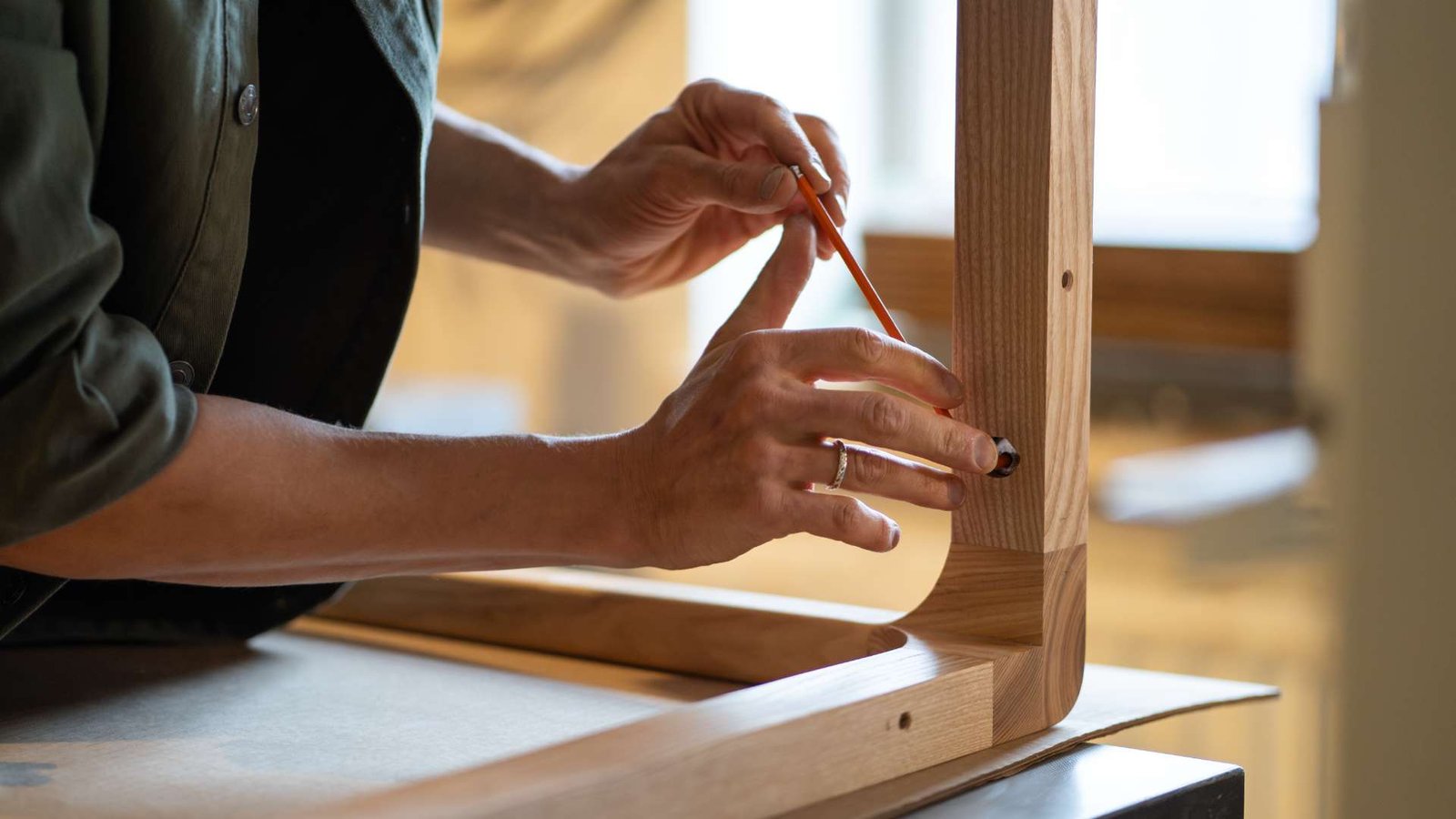
Discover why handmade furniture from Indonesia, crafted in Jepara with teak and artisanal skill, is a premium investment for exporters seeking quality, durability, and sustainability.
In the competitive landscape of global furniture exports, handmade furniture from Indonesia stands out as a beacon of quality, heritage, and enduring value. Renowned for its meticulous craftsmanship, particularly from the artisanal hub of Jepara, Indonesia produces outdoor furniture that commands premium pricing in markets from London to Los Angeles. As a leading outdoor furniture exporter from Indonesia, Karya Exindo Prima, in partnership with Top Garden Furniture, delivers handcrafted pieces that blend sustainability, durability, and aesthetic excellence. This article explores why investing in Indonesian handmade furniture—specifically teak and synthetic rattan designs—offers unmatched returns for B2B buyers, designers, and hospitality professionals seeking to elevate their offerings.
The Legacy of Jepara Craftsmanship
Jepara, a coastal town in Central Java, has been synonymous with fine woodworking for over 500 years. Its artisans, trained across generations, draw on a rich cultural tapestry influenced by Javanese, Islamic, and Chinese traditions. From intricately carved teak dining tables to woven synthetic rattan loungers, every piece reflects a commitment to precision that mass-produced alternatives cannot replicate. This heritage transforms furniture into functional art, appealing to buyers who value authenticity and storytelling in their inventory.
The process begins with hand-selected materials, primarily teak sourced from FSC-certified plantations. Artisans assess each plank for grain quality, ensuring structural integrity before carving begins. Unlike factory lines, where uniformity often trumps character, Jepara craftsmen emphasize individuality—each chair back or table edge carries subtle variations that signal human touch. This attention to detail, rooted in centuries-old techniques, ensures that pieces from our collections withstand scrutiny in high-end showrooms and luxury resorts.
Durability That Outlasts Trends
Investing in handmade Indonesian furniture means prioritizing longevity. Teak, a cornerstone of Jepara’s output, is naturally endowed with oils and silica that repel moisture, insects, and UV damage. A handcrafted teak bench can endure 50 years or more in harsh outdoor conditions—think coastal villas in Greece or rainy patios in Seattle—without warping or rotting. This resilience stems from both the material and the craftsmanship: artisans use mortise-and-tenon joinery, a glueless technique that allows wood to expand and contract with climate changes, ensuring joints remain tight.
Synthetic rattan, another staple, complements teak’s durability with modern practicality. Handwoven over powder-coated aluminum frames, it resists fading, mildew, and cracking for 10-20 years. The manual weaving process, guided by Jepara’s expertise, creates patterns that are both ergonomic and visually striking, from tight herringbone weaves to open lattice designs. For exporters, this durability translates to fewer returns, lower maintenance costs, and satisfied clients who return for repeat orders. Explore durable options at Top Garden Furniture’s product range.
Sustainability: A Core Investment Value
In today’s eco-conscious market, sustainability is a non-negotiable asset. Indonesian handmade furniture aligns with global demand for responsible sourcing. Karya Exindo Prima sources teak from managed plantations, adhering to FSC and Perhutani standards that ensure reforestation and biodiversity preservation. Each tree harvested is replaced with multiple seedlings, tracked for transparency to meet EU and U.S. import requirements. This commitment allows buyers to market their products as environmentally responsible, appealing to green-focused consumers.
Synthetic rattan further enhances this sustainability profile. Crafted from recyclable high-density polyethylene (HDPE), often derived from post-consumer plastics, it reduces reliance on natural resources like traditional rattan vines. The lightweight nature of synthetic rattan furniture also lowers shipping emissions, a critical factor for exporters managing carbon footprints across long-distance supply chains. By investing in these materials, buyers secure a competitive edge in markets prioritizing eco-friendly design.
Aesthetic Versatility for Diverse Markets
Handmade furniture from Indonesia offers unmatched aesthetic flexibility, catering to varied global tastes. Teak’s warm, golden grain suits minimalist Scandinavian designs or rustic Mediterranean villas, while its natural patina adds character to coastal retreats. Artisans in Jepara enhance this versatility with hand-carved details—floral motifs, geometric inlays, or smooth chamfers—that elevate standard pieces into statement items.
Synthetic rattan, meanwhile, allows for bold color palettes and innovative weaves, aligning with contemporary trends like tropical maximalism or urban chic. Whether it’s a sleek sectional for a Dubai rooftop or a cozy bistro set for a Paris café, Indonesian craftsmen adapt designs to client specifications, often collaborating directly with international designers. This bespoke approach ensures that every piece in our product lineup meets specific market demands, from boutique hotels to high-volume retailers.
The Economic Case: Premium Pricing, Lower Long-Term Costs
While handmade furniture carries a higher upfront cost than mass-produced alternatives, its return on investment is compelling. A Jepara-crafted teak dining set, priced at $4,000, outlasts a $1,500 factory-made equivalent by decades, reducing replacement frequency. The artisanal quality also commands premium retail margins, particularly in luxury and hospitality sectors where authenticity drives sales. Clients in these markets value the narrative of handcrafted excellence, often amplified through marketing materials that highlight Jepara’s heritage.
Moreover, the low maintenance of teak and synthetic rattan minimizes after-sale costs. Teak requires only occasional oiling to maintain its luster, while synthetic rattan needs a quick hose-down to stay pristine. For exporters, this reliability reduces warranty claims and enhances brand reputation, fostering long-term client loyalty.
Empowering Communities Through Craftsmanship
Investing in Indonesian handmade furniture supports more than just aesthetics—it sustains communities. Jepara’s workshops employ thousands, from master carvers to young apprentices, preserving a craft that could otherwise fade in the face of industrialization. Karya Exindo Prima ensures fair wages, safe working conditions, and training programs that empower women and youth, with 35% of our artisans now female. This social impact resonates with buyers who prioritize ethical sourcing, adding another layer of value to each piece.
Meeting Global Standards with Local Expertise
Indonesian exporters like Karya Exindo Prima bridge traditional craftsmanship with modern logistics. Every piece undergoes rigorous quality checks—joints measured to 0.2 mm precision, finishes tested for UV resistance—to meet international standards. Our partnerships with global shipping networks ensure timely delivery, while detailed documentation, including FSC certifications, streamlines customs clearance. This seamless process makes Indonesian handmade furniture a reliable choice for importers worldwide.
Conclusion: A Timeless Investment in Craft and Quality
Handmade furniture from Indonesia, rooted in Jepara’s artisanal legacy, offers an unparalleled blend of durability, sustainability, and aesthetic appeal. For exporters, designers, and hospitality professionals, it represents an investment in products that elevate brand value and withstand the test of time. As a trusted outdoor furniture exporter Indonesia, Karya Exindo Prima invites you to discover the craftsmanship that transforms teak and synthetic rattan into global treasures.
Ready to enhance your inventory with handcrafted excellence? Contact us at our contact page to request a tailored export quotation or schedule a virtual tour of our Jepara workshops. Let’s build lasting value together.